Nona’s Rescue in 2004
In 2004, an infant gorilla was found alone in a hunting camp.
Her mother had been killed. She was the only survivor.
That infant was Nona.
When she arrived at what is now Ape Action Africa in Cameroon, she was small, vulnerable, and completely dependent on human care. Like many rescued gorillas, she had already experienced loss before she was old enough to understand it.
Rescues like Nona’s are a direct result of the illegal wildlife trade and the bushmeat trade in Central Africa. Adult gorillas are killed, and surviving infants are either sold or kept illegally. Few survive the journey.
Nona did.
In those early days, she required constant monitoring, regular feeding, and patient handling. Infant gorillas do not simply “bounce back.” Recovery takes time, consistency, and stability.
More than twenty years later, Nona is no longer the tiny infant seen in the rescue footage. She is a fully grown gorilla living within a stable social group at the sanctuary.
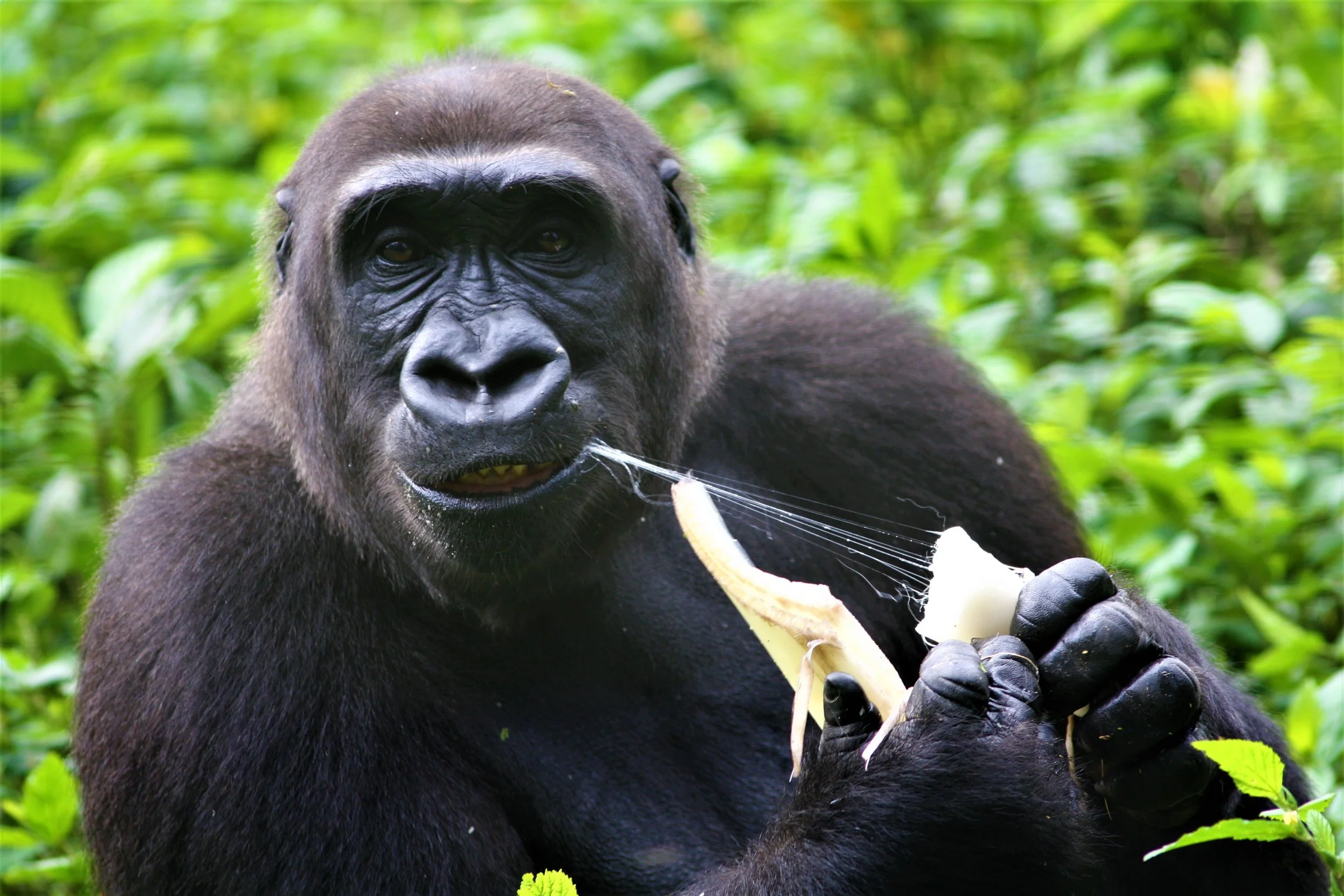
Nona today, more than twenty years after her rescue in 2004.
Her story is not unusual. That is the difficult truth.
Across Cameroon, infant primates continue to be orphaned through illegal hunting. Sanctuaries like Ape Action Africa exist because these rescues do not stop.
Sharing Nona’s rescue video is not about shock value. It is a reminder of why long term sanctuary care matters. Rescue is only the beginning. What follows is decades of daily care, veterinary support, infrastructure, and experienced staff.
Nona’s life today is built on that long term commitment.
Her rescue happened in 2004. Her care continues every single day.