Climate change
Climate change is already having a measurable impact on ecosystems around the world, and its effects are increasingly visible in tropical regions. Primates in Africa face multiple existing threats to their survival, including hunting, habitat loss, and disease, all of which are witnessed through daily conservation work in Cameroon. These pressures are already causing serious declines in wild primate populations, and climate change is expected to intensify these challenges further.
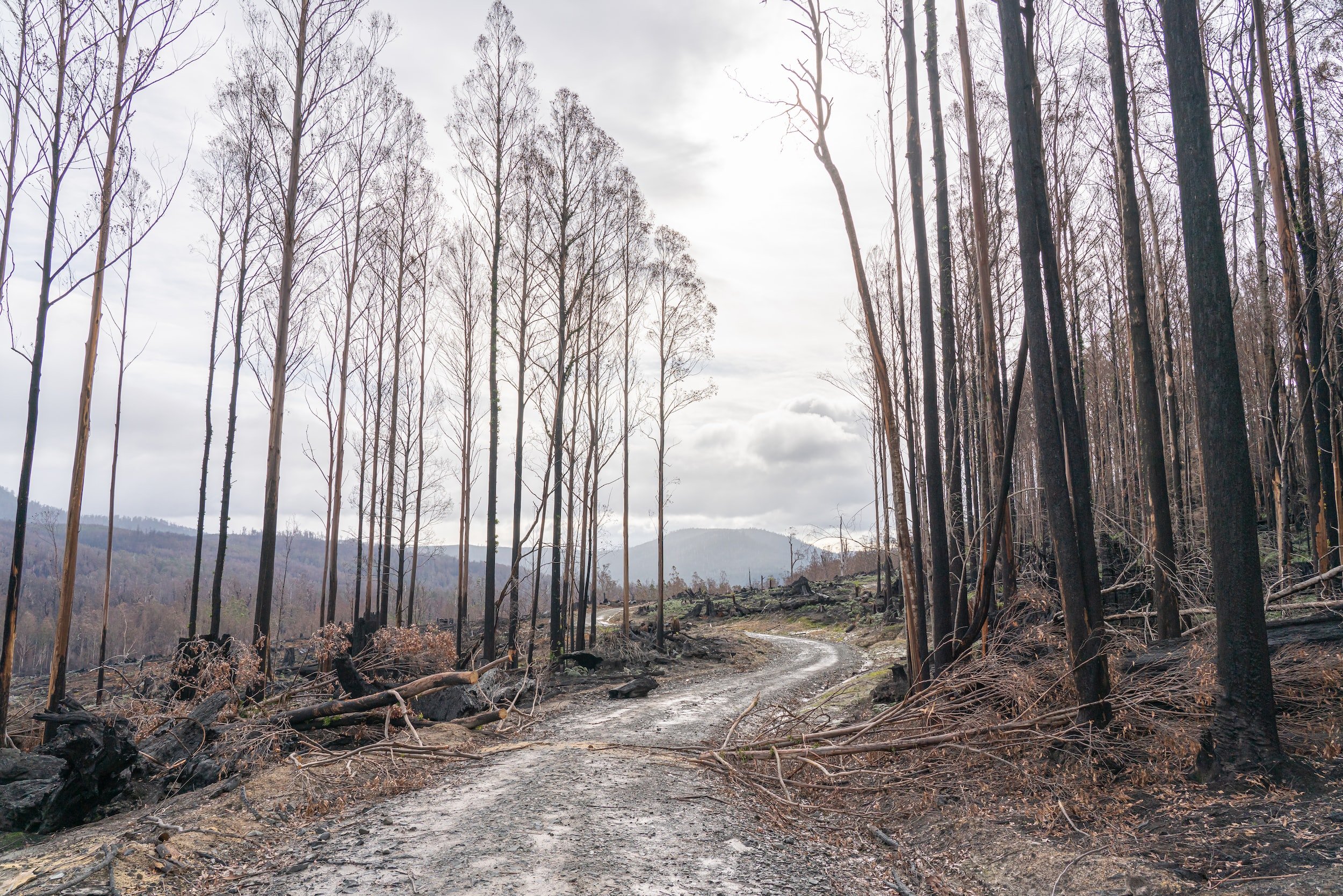
The direct effects of climate change, such as habitat loss caused by forest fires and extreme weather events, pose an immediate and visible threat to primate populations. However, there are also significant indirect impacts that are likely to become more pronounced in the coming years. Changes in rainfall patterns and rising temperatures can affect the availability of food for primates, while also reducing the ability of human communities to sustain themselves through traditional agriculture. This can lead to increased reliance on forests and wildlife, placing additional pressure on already vulnerable habitats and increasing the risk of conflict between people and primates.
Deforestation and forest degradation also play a major role in driving climate change. Reducing forest loss delivers multiple benefits, including lowering greenhouse gas emissions, storing carbon, supporting ecosystem services, and maintaining intact forests that are more resilient to climatic changes. Ape Action Africa supports efforts to minimise forest loss and degradation and works alongside organisations in Cameroon that are committed to protecting forests and biodiversity for future generations.